
Trust
Rarity creates desire. Evidence protects the supply chain.
Traceability links the tree to the final product. It supports conservation, compliance and a clearer understanding of what buyers are paying for.
Chain of custody
A continuous story, not a pile of certificates.
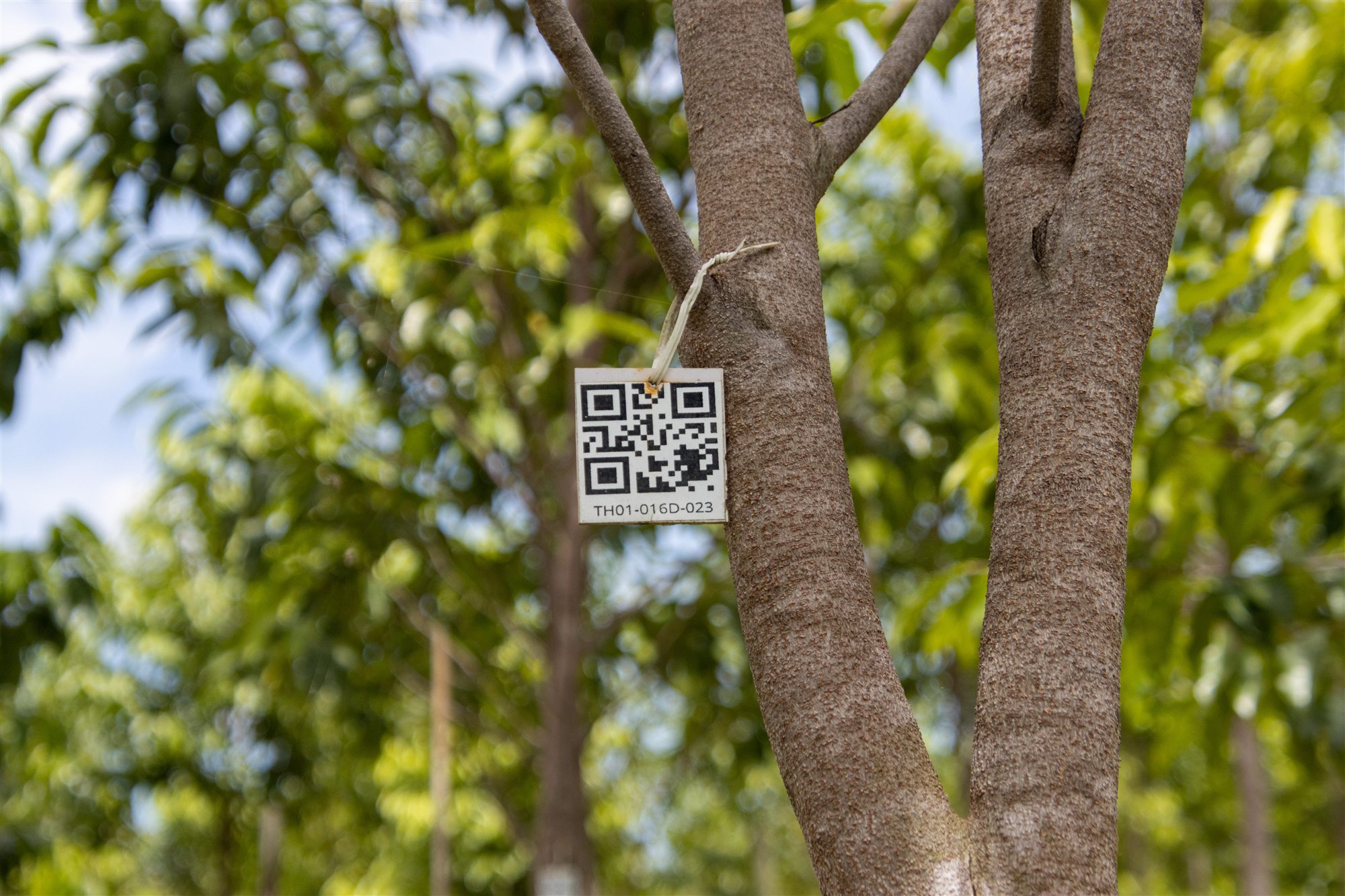
Documentation begins with species, planting material, plot, dates and interventions. At harvest, trees and volumes become a batch that must remain identifiable through sorting, storage, distillation and sale.
Photographs, plot coordinates, identifiers, weights and yields make the story verifiable. A QR code helps access records, but its value depends on the governance of the underlying data.
International trade
CITES regulates movement, not quality.
Aquilaria and Gyrinops species are covered by the Convention on International Trade in Endangered Species. Requirements vary by country, material status, product and destination.
A permit does not prove oil purity or wood grade; chemical analysis does not replace origin documents. Compliance and quality answer different questions.
Permits, declarations, invoices and authorities.
Declared species and identification method.
Grade, weight, yield and sale conditions.
Sustainability
Plantations reduce pressure only when they perform.
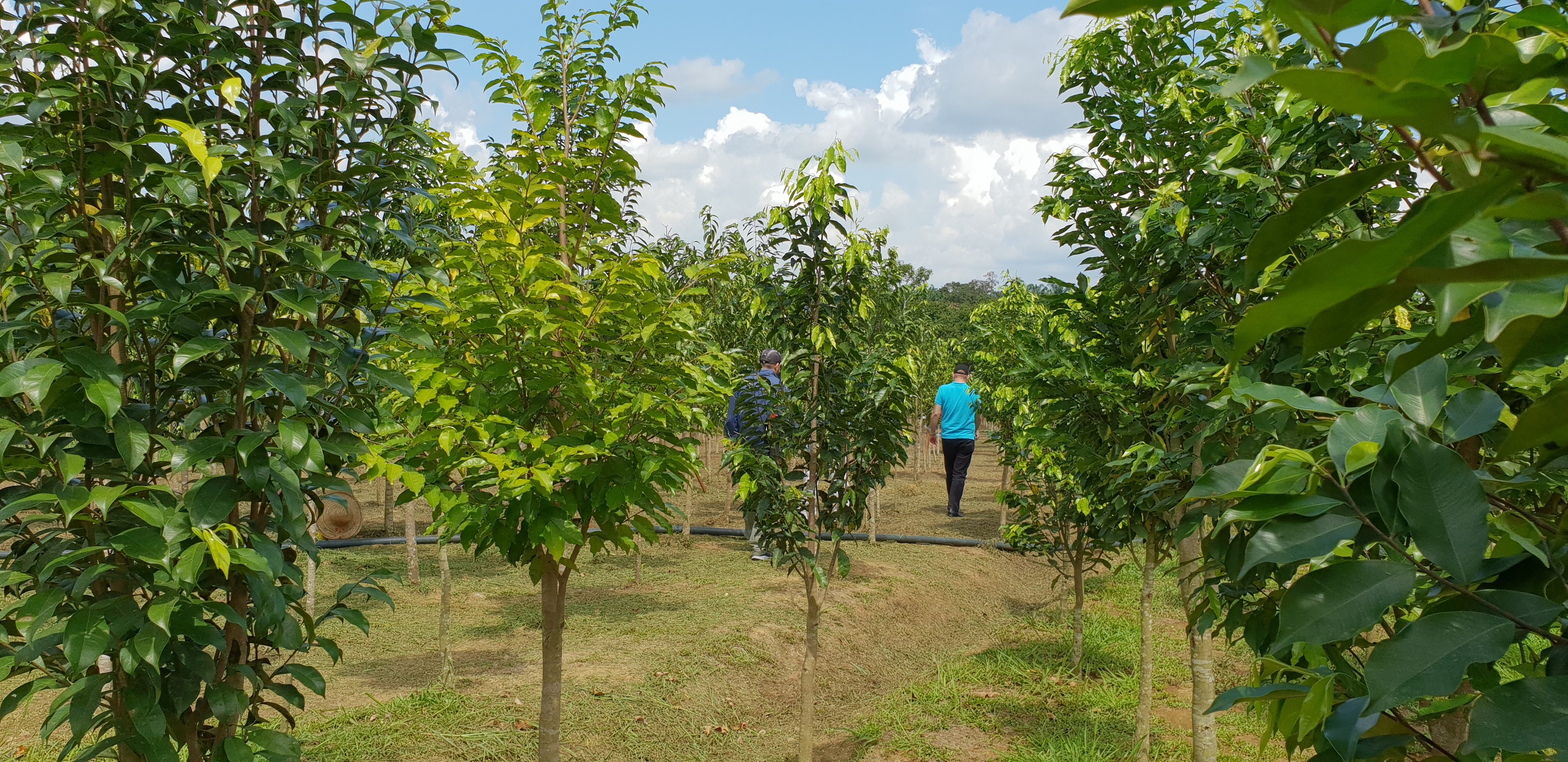
Cultivation can offer an alternative to wild harvesting and create long-term income. Sustainable plantations must also manage inputs, mortality, soil, water, biodiversity and working conditions.
The best indicator is not a single return forecast, but the capacity to produce traceable, compliant and compelling material at a price that rewards forestry time.
Scientific and institutional sources