
Oud, agarwood and gaharu
Understand a rare material, from tree to fragrance.
The Agarwood Institute connects Aquilaria science, oud cultures and the economic realities of a global supply chain. Its purpose is to make a complex material understandable, desirable and verifiable.
One resource, many worlds
Oud is more than a fragrance or a price.
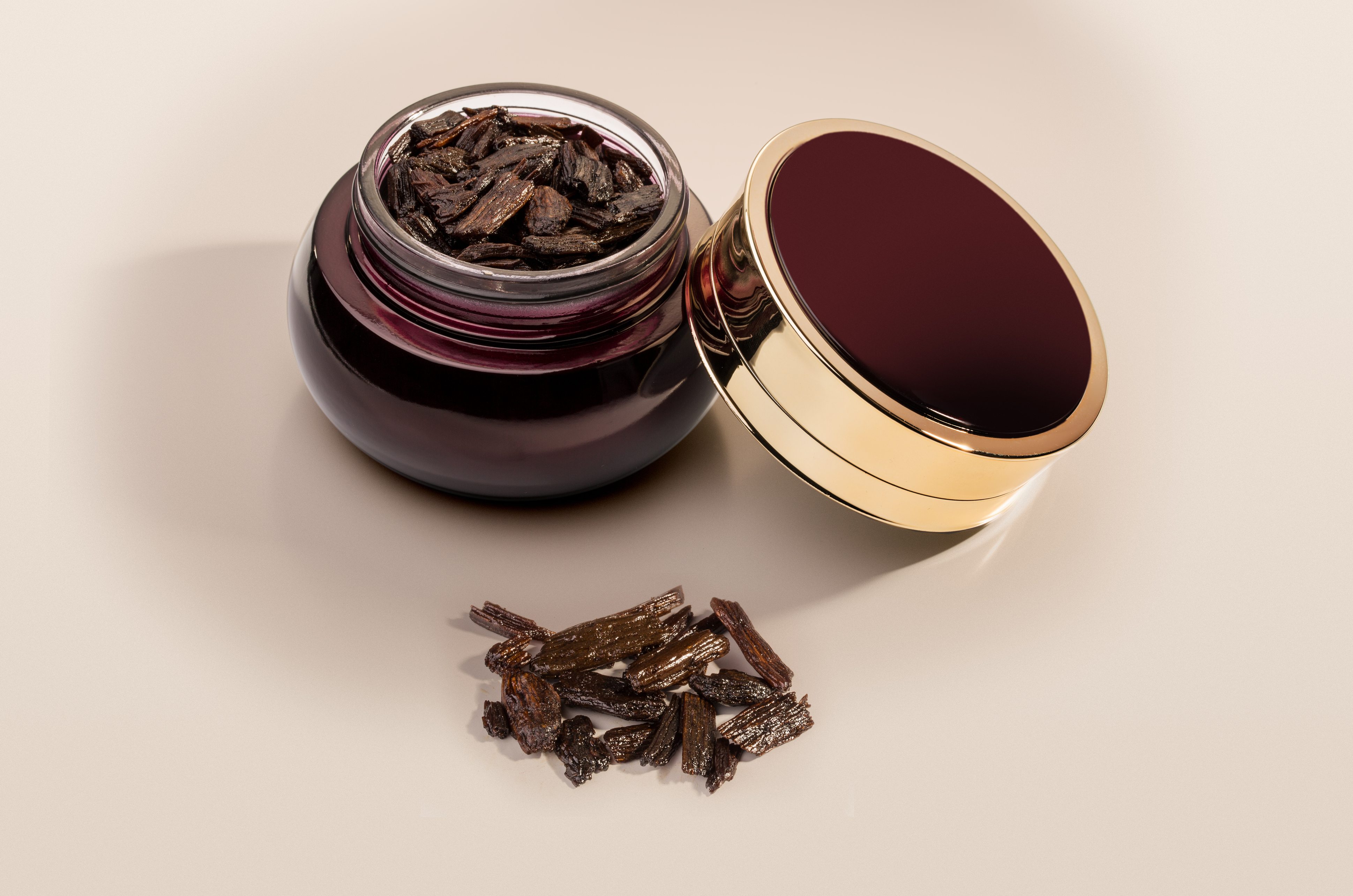
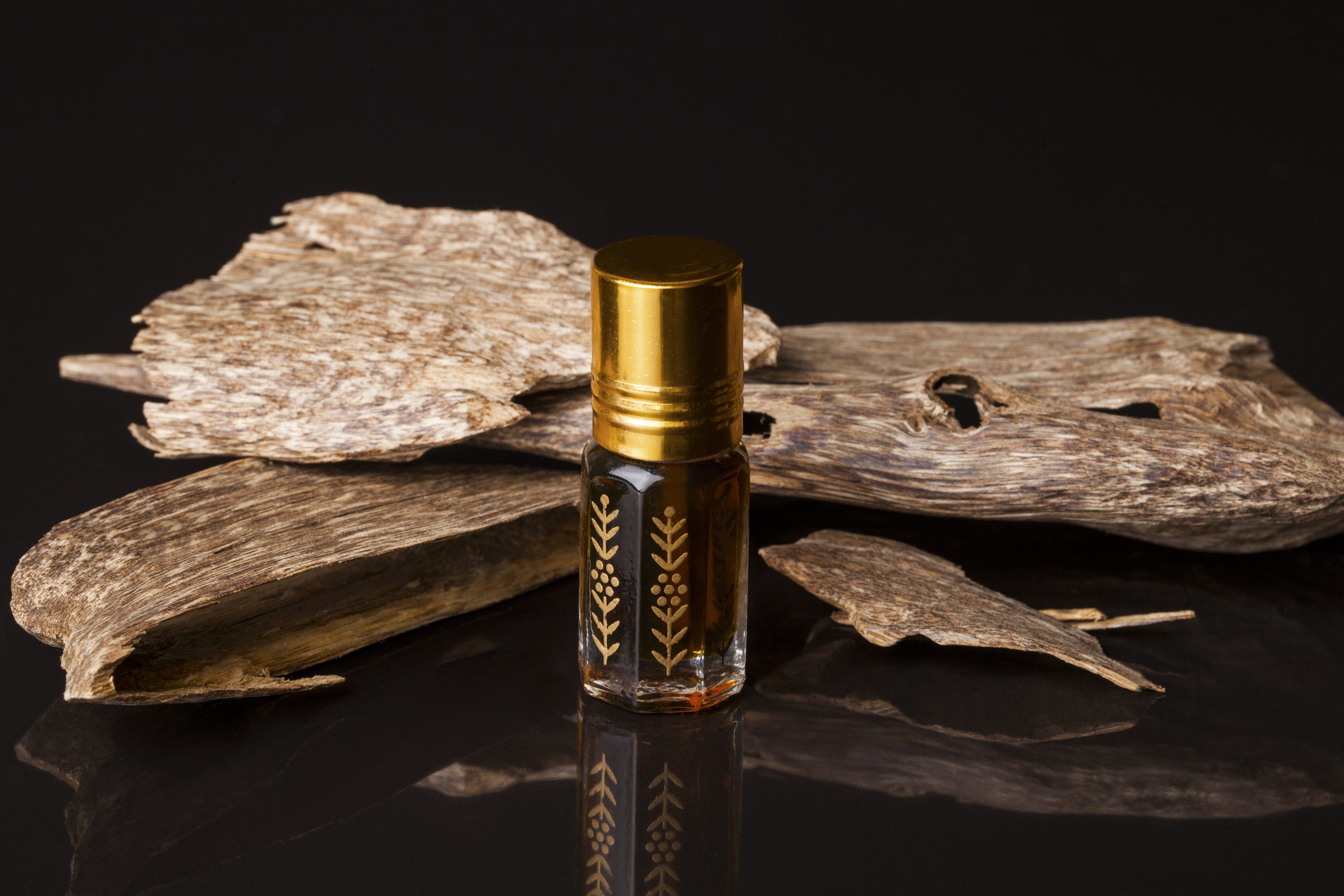
Agarwood forms when an Aquilaria or Gyrinops tree produces defensive resin inside its tissues. The transformation gives the wood its dark colour, density and aromatic profile. It can become incense chips, powder, essential oil, attar, bakhoor or a fine-fragrance ingredient.
Its value comes from an unusual combination: difficult biology, cultivation and distillation expertise, a long religious and cultural heritage, and modern demand from luxury, wellbeing and niche perfumery.
Our method
Create wonder, then verify.
A credible supply chain can tell the beauty of oud without turning every estimate into a promise. This site separates scientific evidence, institutional reports, observed commercial prices and market-research projections.
The same method serves growers, perfumers, researchers, brands, careful investors and enthusiasts: species, origin, induction, harvest, processing, grade, compliance and final use.
Species, distribution and resin formation.
Prices, grades, units, outlets and data limits.
Traceability, CITES, analyses and batch records.
Applications
From ancient ritual to cosmetic laboratories.
Incense and perfumery remain the heart of the market. Aquilaria extracts are also being studied for care applications, while leaves attract interest for their flavonoids and phenolic compounds.
These pathways are promising only when laboratory antioxidant activity, clinically demonstrated skin benefits and regulatory acceptance are kept distinct. The Cosmetics chapter explains those differences.