
Botany
Aquilaria: a tropical tree with an exceptional biological response.
Agarwood is not ordinary timber. It appears when a tree responds to injury, infection or induction by accumulating aromatic resin in its tissues.
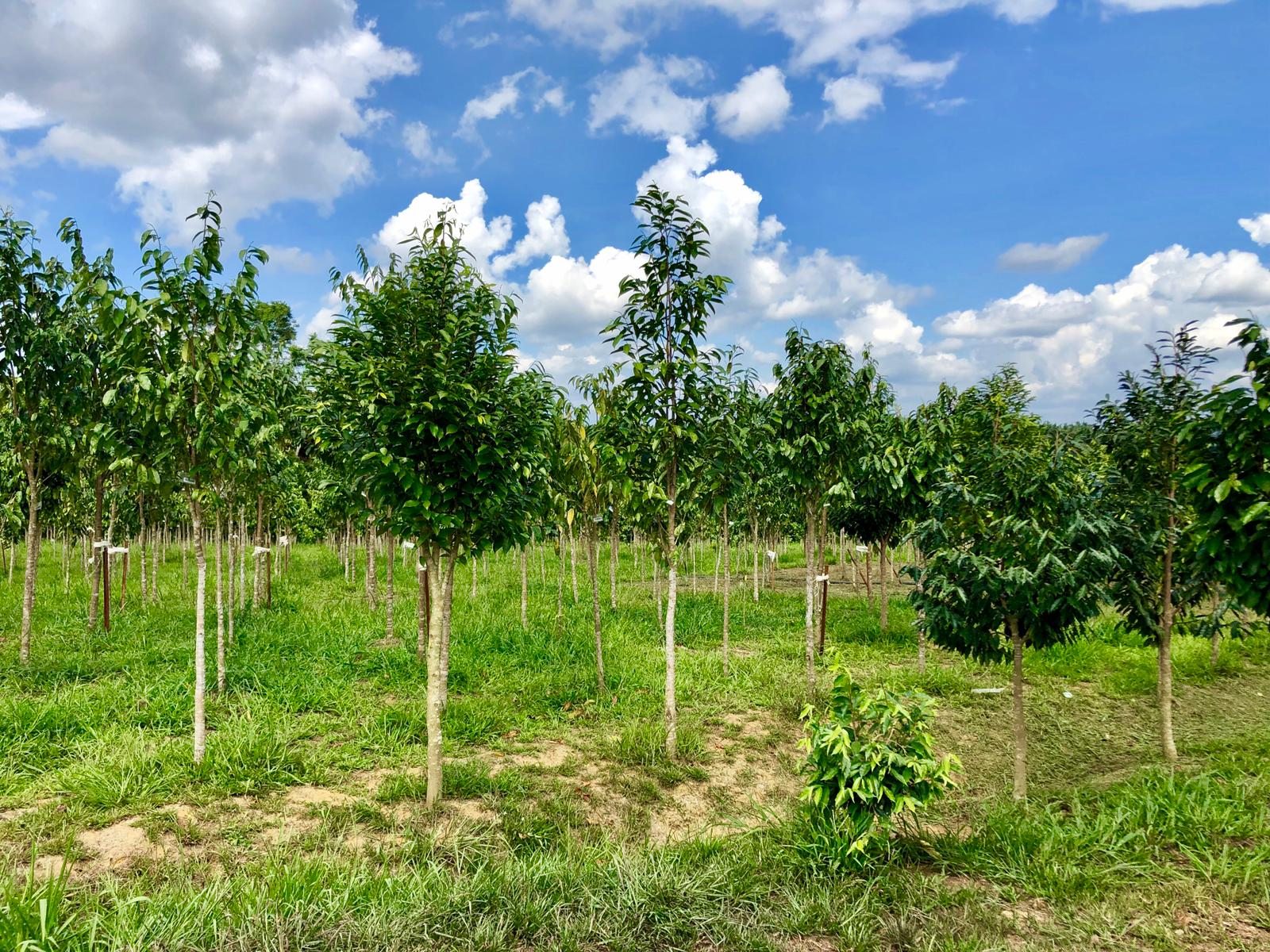
Distribution
A forest lineage from tropical Asia.
Aquilaria belongs to the Thymelaeaceae family and naturally ranges from India and Bangladesh to southern China and across Southeast Asia. A. malaccensis, A. crassna and A. sinensis are among the best-known species.
Healthy wood is usually pale and faintly scented. Aromatic value therefore depends on more than species: genetics, age, environment, injury, microorganisms and maturation all interact.
Resin formation
Wounding activates defensive chemistry.
Damaged tissue can activate metabolic pathways leading to sesquiterpenes and 2-(2-phenylethyl)chromones. Resinous areas darken and gradually develop a complex scent.
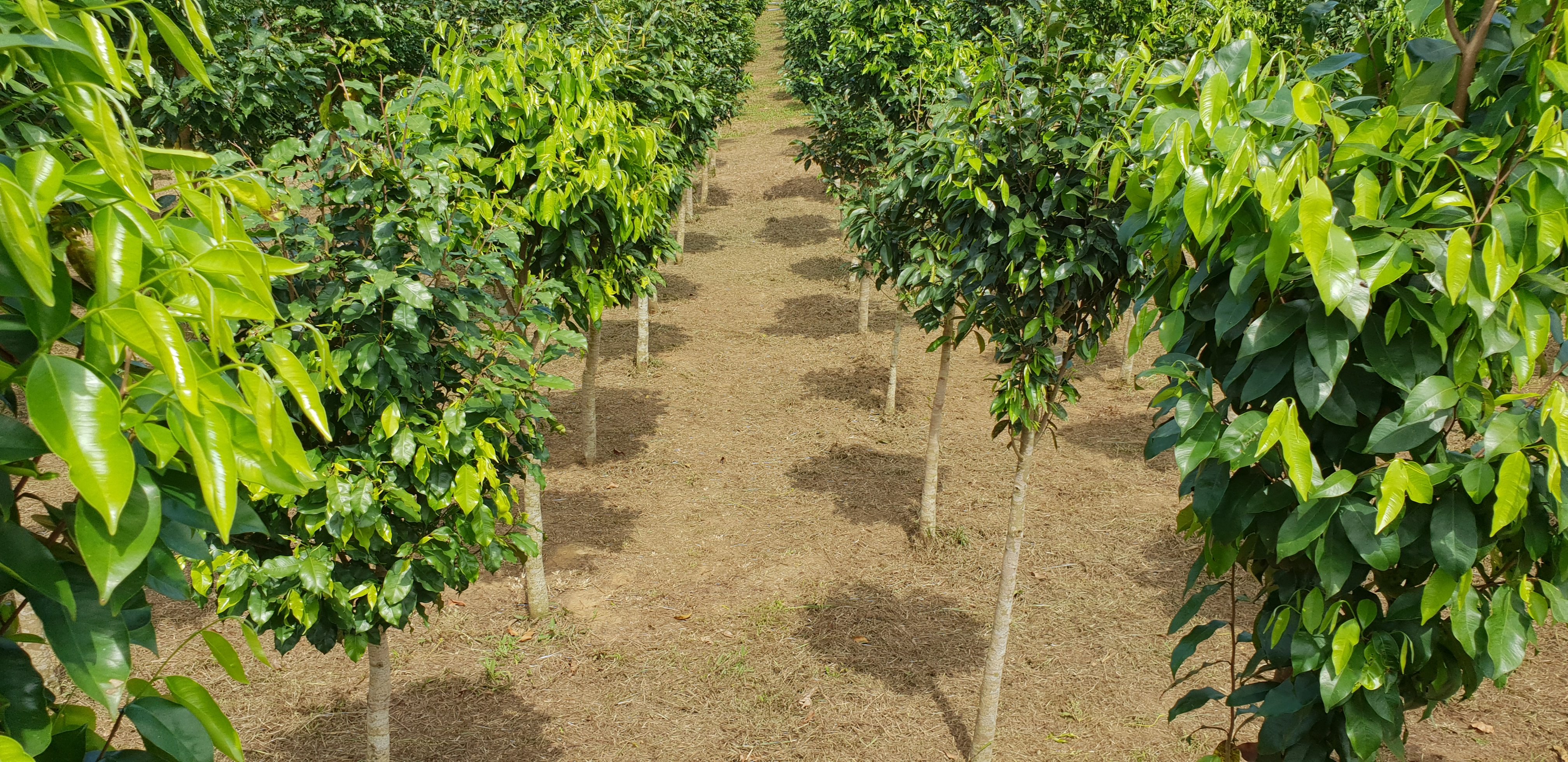
In nature the process is irregular. Plantations use mechanical, biological or chemical induction to improve consistency, yet outcomes still depend on protocol, species and time.
Major volatile molecules in many oils.
Characteristic compounds of resinous and heated wood.
A common method for describing oil composition.
Quality
Dark colour alone does not prove excellence.
Colour, density, resin content, cold scent and heating behaviour all influence grading. No universal standard exists, so terms such as Super, AAA and sinking grade change between sellers and regions.
Serious assessment combines sensory observation, provenance, batch documentation and instrumental analysis where appropriate. This reduces the risk of dyes, impregnation and mixtures mimicking high resin content.
Scientific and institutional sources